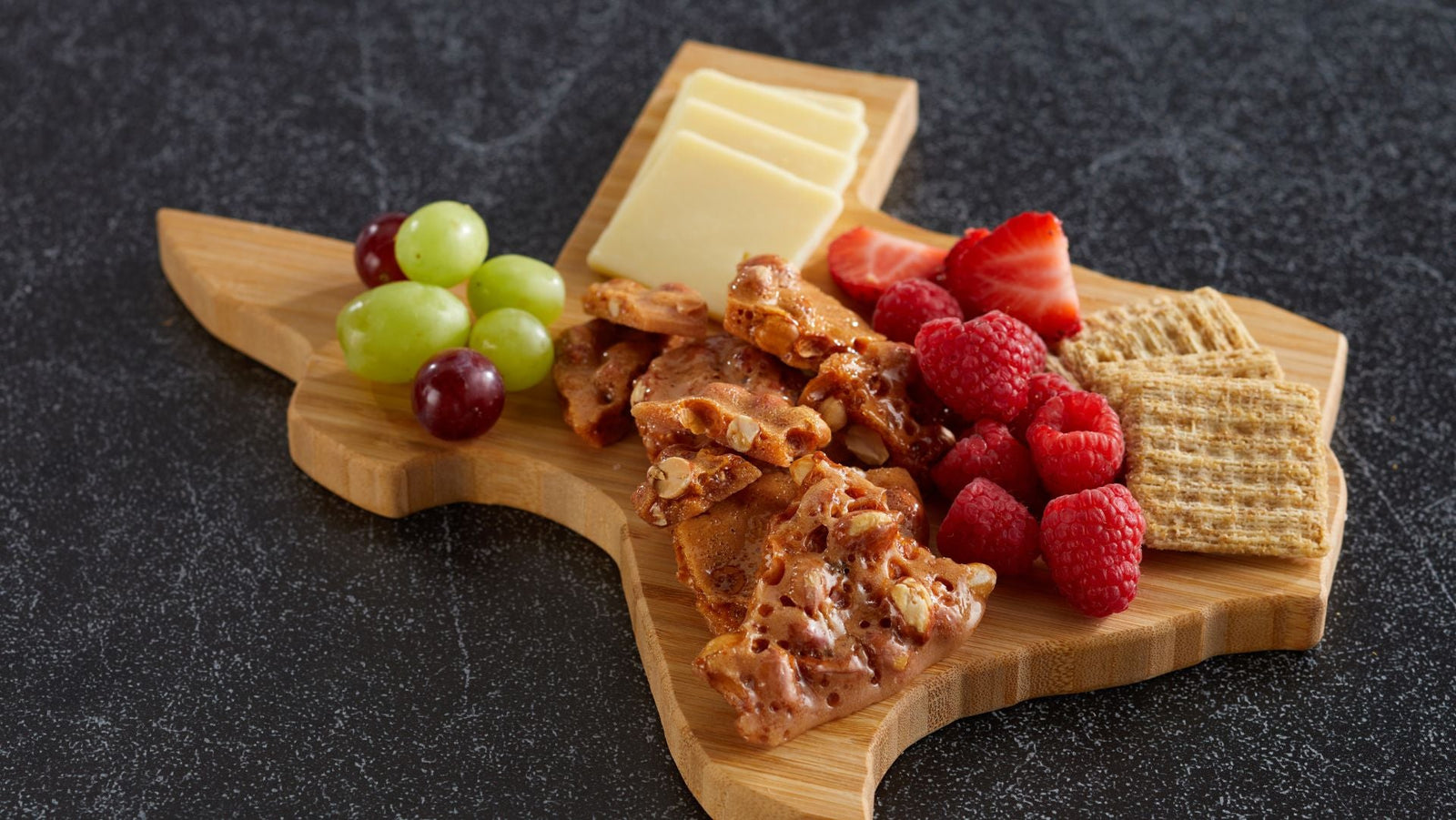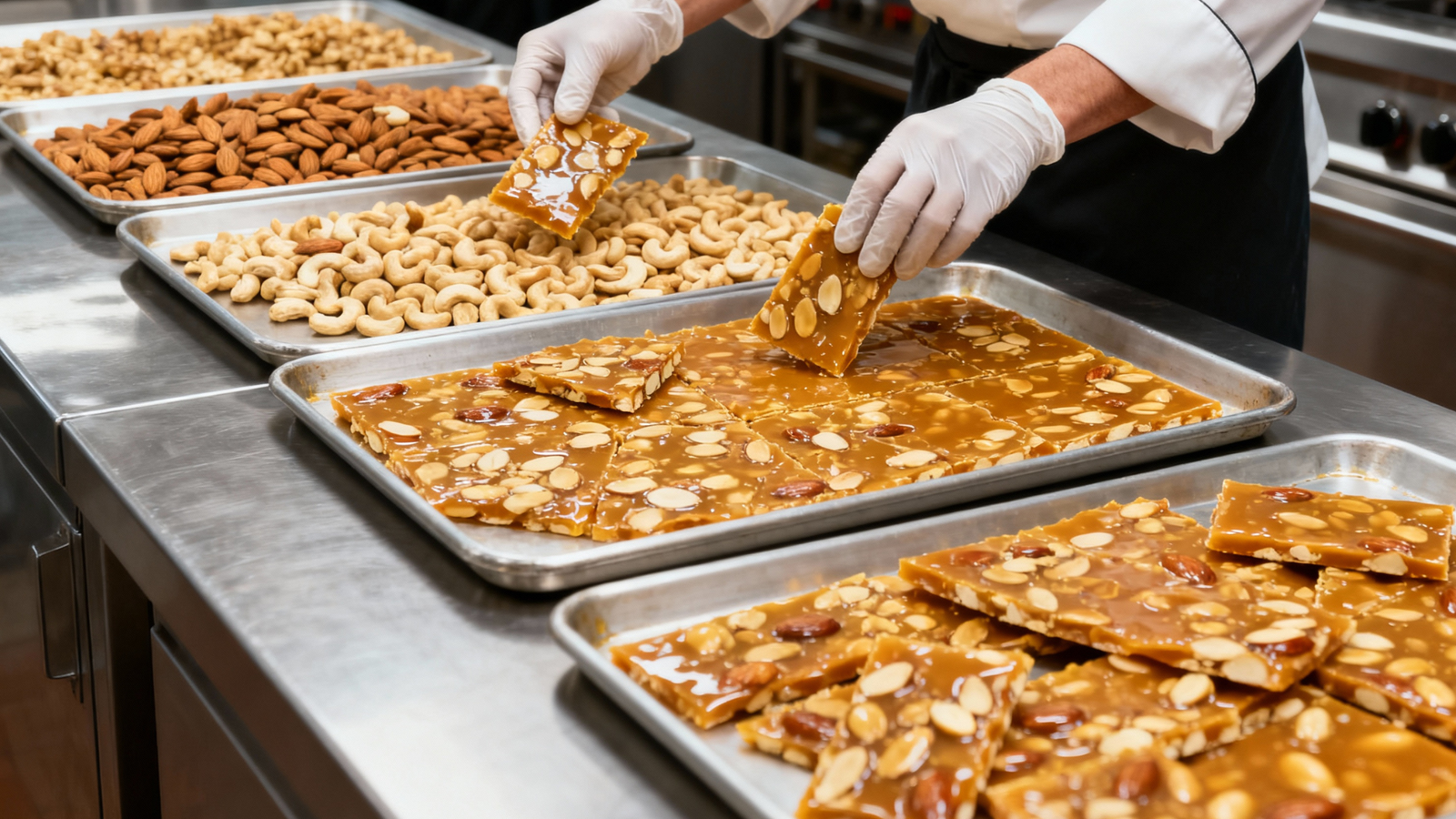

Ever cracked a shard of nut brittle and heard that perfect glassy snap? For generations, this sugar-and-nut classic has been the simplest kind of magic—just caramelized sugar, a bit of butter, and a handful of nuts. But step beyond peanut brittle, and you enter a world of almond silkiness, cashew creaminess, and all sorts of gourmet inventions. Let’s explore how this old-school candy keeps reinventing itself—and why Brittle-Brittle’s take on it has become a small legend in the world of artisan sweets.
The earliest brittles date back to 19th-century candy kettles, when sugar syrup met roasted peanuts over open flames. It was chemistry in its most delicious form—boil, pour, cool, crack.
As time passed, candy makers started trading peanuts for almonds, pecans, and cashews, chasing subtler flavors and textures. Today, nut brittle has jumped from roadside stands to gourmet counters. Think pink Himalayan salt, toasted coconut, or espresso swirls. That same spirit of experimentation keeps it fresh, especially for holiday gifting and dessert spreads.

At its heart, brittle is all about controlled caramelization. Heat sugar to the hard crack stage—around 300°F (150°C)—and it solidifies into that signature crunch once cooled.
Go lower, and you get stickiness. Go higher, and it scorches. A heavy-bottomed pot and a candy thermometer are your best friends here.
To keep the sugar from crystallizing, a splash of corn syrup or lemon juice does the trick. Copper pans distribute heat evenly; stainless steel holds it longer. These small details separate chewy mishaps from clean, crisp perfection.

Nuts aren’t just for taste—they’re structural players. They absorb and spread heat, helping the sugar cool evenly. Their density, oil content, and roast all change the final crunch.
Almonds make for a lighter, snappier texture.
Cashews bring richness and a buttery bite.
Peanuts give that nostalgic crunch and salt-sweet balance.
Choosing well-roasted, evenly sized nuts ensures a uniform set and that satisfying shatter when you break a piece.

Almond brittle is the elegant cousin of the classic. Go for blanched California almonds if you like a clean, golden finish, or Marcona almonds for a richer, more buttery profile.
Because almonds are lower in oil, reduce your recipe’s water slightly to keep the syrup crisp. Toasting with a whisper of cinnamon or vanilla deepens flavor without overpowering the caramel. Almond brittle also pairs beautifully with citrus zest or a drizzle of white chocolate for a polished, giftable treat.

Cashew brittle leans creamy, almost caramel-like. Cashews are naturally high in oil, so gentle heat is key—burnt cashew oil ruins an otherwise silky batch.
Roast them lightly, stir gently once the syrup hits 275°F (135°C), and remove promptly at hard crack. A sprinkle of sea salt or chili flakes on top brings dimension. Stored correctly, it stays glossy and tender, never greasy.

The original still has its charm. Start with roasted peanuts and a clean caramel base. Then experiment:
Sprinkle coarse sea salt and cinnamon before it cools.
Drizzle dark chocolate in thin ribbons once set.
Toss in crushed pretzels for crunch and contrast.
These small tweaks make the familiar feel new again—especially when packed in jars or gift boxes for the holidays.

Gourmet nut brittle is a playground for flavor. Try combinations like:
Chai-Spiced Almond & Cashew: cardamom, clove, cinnamon, and ginger.
Smoked Chili Peanut: sweet heat that lingers.
Maple & Sea Salt Pistachio: buttery, aromatic, deeply autumnal.
Coconut Macadamia Crunch: tropical and light, great for summer gifting.
Mixing nut types—crunchy almonds with creamy cashews, say—creates complex textures that feel distinctly artisan.
Presentation matters. Wrap individual shards in clear cellophane with twine for rustic charm, or tuck them into embossed tins for a polished gift.
To keep brittles crisp:
Store in airtight containers at room temperature.
Avoid moisture—slip a silica gel packet in the box if you’re gifting.
Keep away from sunlight and heat, which soften sugar.
Handled right, your brittle can stay fresh for up to two months.
At Brittle-Brittle, every batch is handcrafted—slow-roasted nuts, pure cane sugar, real butter, no shortcuts. Our artisans tweak small details—nut roast time, syrup viscosity, cooling speed—to perfect that signature snap.
It’s not just candy; it’s a blend of craftsmanship and nostalgia. And with flavors ranging from classic peanut to chai-cashew and espresso-almond, there’s a brittle for every mood (and every gift list).
Nut brittle might start with simple ingredients, but it rewards care and curiosity. Once you understand sugar’s temper and the personality of each nut, you can create brittles that crunch, melt, and sparkle exactly the way you want.
Experiment. Gift generously. And if you ever need a shortcut to perfection, you’ll find it in a bag of Brittle-Brittle’s gourmet nut brittle—handmade, timeless, and impossible not to share.