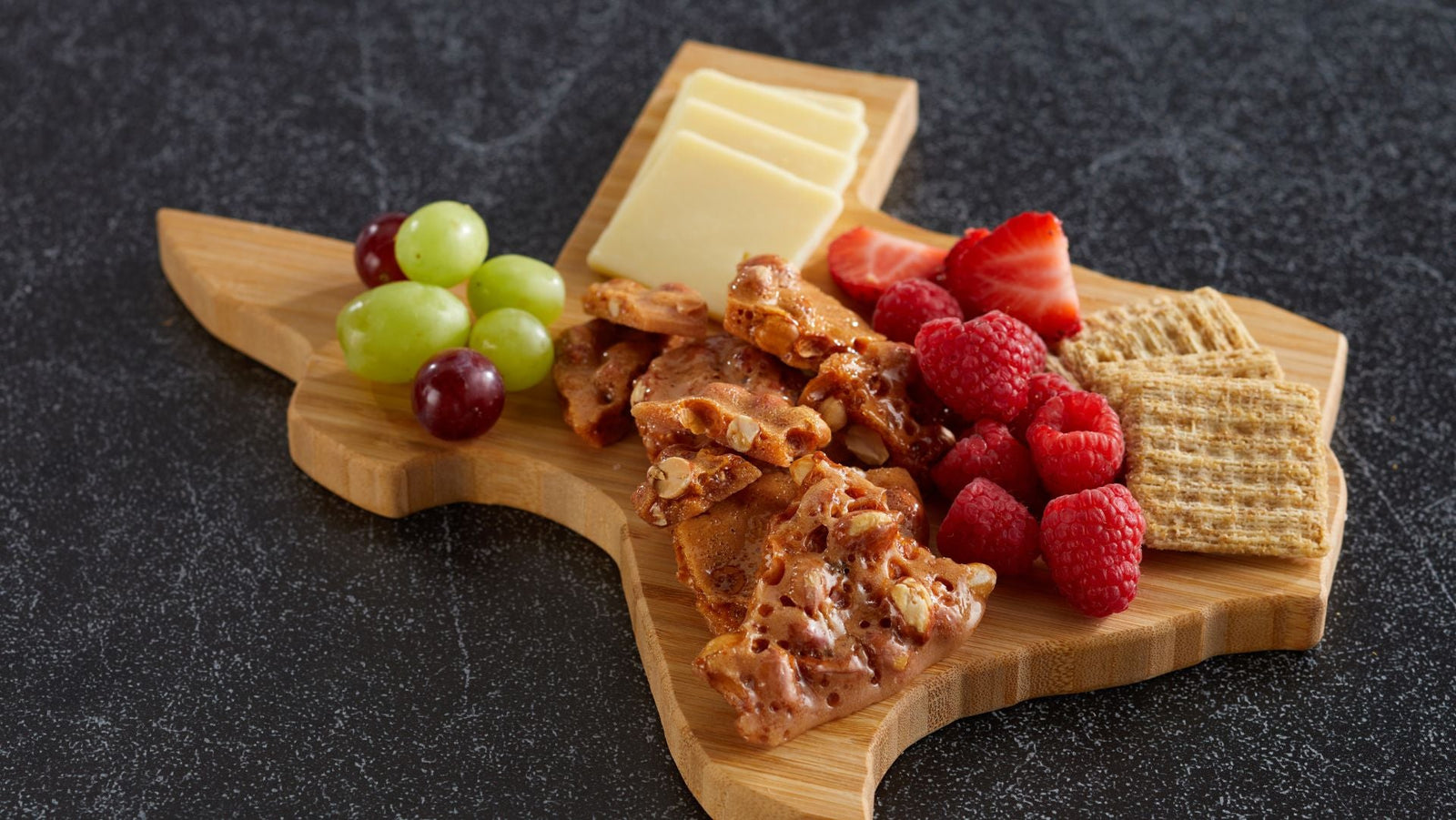
That shattering snap when you bite into perfect peanut brittle isn’t luck—it’s science. The “brittle crunchy” texture so many chase is born from a tight balance of chemistry and craft. Temperature, moisture, acidity, even the oil content of the nuts—all of it works together to create that clean break and delicate melt. Once you see how each element interacts, you’ll understand why Brittle-Brittle guards its methods so carefully—and how you can achieve the same crisp precision at home.

Sugar is brittle’s backbone. Start simple—granulated sugar and water—but what happens next is molecular choreography. As heat rises, sugar dissolves and concentrates, forming syrup. Around 230°F (the “thread” stage), molecules are still relaxed. By 300°F—the hard crack stage—they’re rigid and ready to shatter.
But sugar doesn’t just harden on command. Left alone, sucrose tends to crystallize into gritty lumps, dulling that glassy bite. The fix: acid and motion. A small dose of lemon juice or cream of tartar helps invert sucrose into glucose and fructose, preventing big crystals from forming. Gentle swirling keeps the mixture homogeneous without introducing air bubbles. The result is a smooth, amber syrup that cools into clear, snappable candy rather than a cloudy block.
That’s why professionals rely on thermometers, not instincts. Even a two-degree swing around the 300°F mark can shift your batch from crisp to chewy. Think of it as a controlled burn—you want caramelization, not combustion.

Moisture is the enemy of crunch. Sugar attracts water from the air, and even a humid kitchen can dull your brittle overnight. Cooking long enough to drive off water—but not scorch sugar—is the fine line every candy maker walks.
A small touch of fat helps here. Peanut oil or butter doesn’t just add flavor—it creates a thin barrier that slows moisture absorption. That’s part of Brittle-Brittle’s secret: carefully balancing fat to preserve snap without greasiness.
Humidity control also extends beyond cooking. Let brittle cool fully before sealing it in airtight containers, ideally with a desiccant or parchment liner. That’s the difference between day-one crunch and next-day stickiness.

Sugar-to-water ratio shapes the foundation of brittle texture. Too much water, and your syrup can’t reach hard crack before caramelizing. Too little, and it may seize or burn. Most confectioners find balance around 3 parts sugar to 1 part water by weight.
Peanuts—or any nut—act as both flavor and heat conductor. A 2:1 sugar-to-nut ratio yields a traditional crunch with visible caramel glass between each kernel. Go heavier on nuts, and you’ll get a denser, crunchier slab; lighter, and it becomes more candy than confection. Brittle-Brittle’s batches are fine-tuned per nut type—almonds demand lower syrup volume, cashews slightly less heat—to ensure the ideal bite every time.

Once your syrup hits about 295°F, things move fast. Every extra second changes the chemical structure of the sugars. That’s why pros never walk away from the pot. Removing from heat at precisely 300°F to 310°F locks in the perfect molecular rigidity.
If you overshoot, the syrup darkens, tastes bitter, and sets too hard. Undershoot, and it stays tacky. Cooling too slowly also invites reabsorption of moisture, especially on damp days. Quick spreading over a buttered sheet or marble slab helps freeze the sugar’s structure in place.
In short: temperature, timing, and touch define texture more than any recipe tweak ever will.

A brittle that bends tells a story—usually one of excess humidity, underheating, or too much invert sugar. Honey or corn syrup, while useful in small amounts to prevent crystallization, can soften structure if overused.
Another culprit: rapid stirring late in the process, which traps steam pockets and disrupts the crystalline lattice. Letting the syrup rest a few seconds before folding in nuts can solve that.
If your kitchen runs humid, try reducing syrup water slightly or finishing the cooled candy in a low (200°F) oven for five minutes to dry the surface. It’s a quiet rescue that restores the crack.
In Brittle-Brittle’s kitchen, precision isn’t optional—it’s ritual. Each batch is cooked in small copper kettles that distribute heat evenly. We add pure cane sugar, a touch of real butter, and fresh-roasted peanuts in exact ratios refined over decades.
Thermometers are calibrated daily. Humidity is monitored. Cooling slabs are pre-warmed to prevent thermal shock that could fracture texture unevenly. Every control is deliberate, all in service of that signature snap—clean, bright, and never sticky.
It’s chemistry meeting craftsmanship, proof that a candy can be simple and scientific at once.
Perfect brittle isn’t about luck or guesswork. It’s about respect—for sugar’s volatility, for temperature’s precision, and for the humble peanut that holds it all together. Once you learn to read the signs—bubble size, syrup color, aroma—you’ll start to feel when it’s ready.
And if you’d rather taste the science than test it, you know where to find it: Order a box of Brittle-Brittle and experience what happens when chemistry becomes candy.